

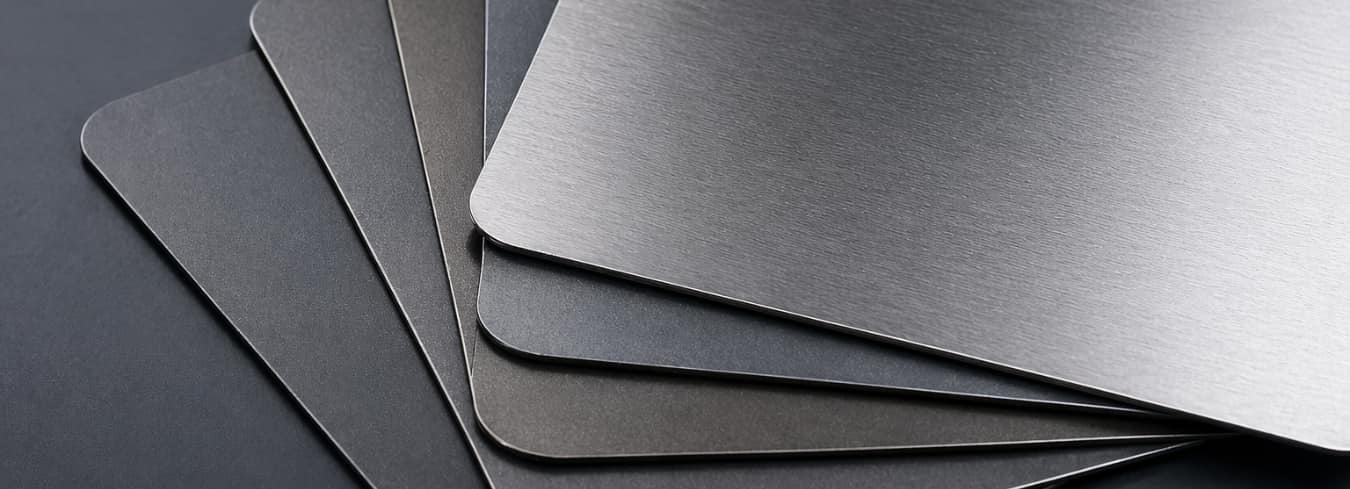
In precision engineering, even the smallest gap can impact machine performance. Shim sheets are thin and flat pieces, which are usually made from metal, and are used to fill tiny gaps. This improves alignment and ensures proper load distribution between components. In this blog, we will cover what shim sheets are, understand their importance, and explore how to choose the right material. This will help you to maintain efficiency and performance in your operations.
Why are Shim Sheets Important?
Engineers use shim sheets to correct misalignment, manage thermal expansion, dampen vibration, and achieve correct component spacing without expensive rework.
For instance, a turbine running at 10,000 RPM needs every component to sit within a tolerance of +/- 0.005 mm. Even the smallest misalignment will cause excessive vibration, heat buildup, and early failure. A precisely cut shim sheet solves this without redesigning the entire assembly. This is why industries like aerospace, heavy machinery, CNC machining, and robotics rely heavily on steel shim plates to maintain operational reliability.
Applications of Shim Sheets Across Different Industries
Aerospace Engineering
Aircraft engines and structural assemblies demand zero tolerance for error. Shim sheets are used between engine mounts, fuselage panels, and actuator brackets to maintain alignment under extreme vibration and temperature changes. Titanium and SS 316 shim sheets are preferred here due to their high strength-to-weight ratio and thermal resistance.
CNC Machining and Tooling
In CNC setups, tool height and workpiece alignment directly affect surface finish and dimensional accuracy. A misaligned spindle by even 0.02 mm can result in rejected parts. Engineers use laminated shim sheets to fine-tune tool holder positions without manual grinding.
Robotics and Automation
Robotic arms used in automotive assembly lines need extremely precise joint alignment. Any angular misalignment causes positional drift over time. Thin laser-cut shim sheets are placed at joint interfaces to ensure consistent repeatability cycle after cycle.
Marine and Offshore Equipment
Pumps, compressors, and propeller shaft assemblies in marine environments face both load stress and saltwater corrosion. Shim plate stainless steel grades like SS 316 are ideal here because they resist pitting corrosion even in chloride-rich environments.
How to Select the Best Material for Shim Sheets
Choosing the right material is just as important as choosing the right thickness. Here is a quick breakdown of the most commonly used options:
- SS 304: Thickness range of 0.05 mm to 5 mm with a tolerance of +/- 0.005 mm. Best suited for general engineering applications.
- SS 316: Available from 0.025 mm to 3 mm with a tight tolerance of +/- 0.003 mm. Ideal for marine and chemical environments.
- Brass: Ranges from 0.1 mm to 4 mm with a tolerance of +/- 0.010 mm. Commonly used in electrical and electronic components.
- Carbon Steel: Covers 0.1 mm to 6 mm at +/- 0.008 mm tolerance. Works well for heavy load industrial applications.
- Titanium: Available from 0.05 mm to 2 mm at +/- 0.003 mm. The go-to choice for aerospace and high-temperature use cases.
Why is Load, Tolerance, and Vibration Important in Engineering?
1. Tolerance Compensation: In mechanical assemblies with stacked components, each individual tolerance adds up. A five-component stack with +/- 0.05 mm per part can result in a total deviation of 0.25 mm. Shim sheets correct this accumulated error with precision.
2. Load Distribution: When two surfaces meet at a slight angle, load concentrates at one edge and creates stress points. A shim sheet of the right thickness redistributes this load across the full contact surface, preventing stress fractures and premature wear.
3. Vibration Damping: Brass and laminated shim sheets absorb vibration energy between mating surfaces, reducing noise and extending the service life of rotating machinery.
4. Thermal Expansion Compensation: Materials expand when heated. In high-temperature applications like exhaust systems or furnace equipment, shim sheets are selected and calculated using thermal expansion coefficients so alignment holds steady even at full operating temperatures.
How to Choose the Right Shim Sheet Thickness Accurately
Measure the gap precisely using feeler gauges or laser measurement tools. Account for surface finish and flatness of the mating parts. Select the material based on the environment. Choose laminated shim sheets if micro-adjustment will be needed during installation. And always source from a certified shim plate supplier in UAE for consistent tolerances and traceable material quality. A reliable supplier in UAE will provide material test certificates, exact dimensional tolerances, and options for custom laser-cut shim sheets in any geometry you require.
Conclusion
Shim sheets may look like small and simple components, but they play a major role in keeping machines accurate, stable, and efficient. From correcting alignment to managing load and reducing vibration, they help prevent costly damage and improve overall performance. Choosing the right material and thickness ensures that your equipment runs smoothly in demanding conditions. Working with a trusted shim plate supplier in the UAE also makes sure you get consistent quality, precise tolerances, and reliable support. In the end, the right shim sheet can make a real difference in maintaining long-term performance and reliability.
Do You Want to Get Help to Select the Right Shim Sheet for Your Application?
Talk to our technical team and get shim sheets delivered fast across the UAE and GCC. You can browse our full range of steel shim plates and shim plate stainless steel options.
FAQ
What is a shim sheet used for in precision engineering?
A shim sheet is used to fill gaps, align components, compensate for thermal expansion, distribute load, and dampen vibration in precision mechanical assemblies. It is a critical part of maintaining micron-level accuracy in high-performance applications.
What materials are commonly used for shim plates in industrial applications?
The most common materials are shim plate stainless steel in SS 304 and SS 316 grades, brass, carbon steel, and titanium. For corrosive or marine environments, SS 316 is the preferred choice among shim stock suppliers.
How do I choose the right shim plate supplier in the UAE?
You can look for a shim plate supplier in the UAE that offers ISO-certified materials, material test certificates, custom sizing options, and reliable delivery timelines.
What is the difference between steel shim plates and laminated shim sheets?
Standard steel shim plates are single-piece flat stock cut to size. Laminated shim sheets consist of multiple thin layers bonded together, which allows engineers to peel off individual layers during installation to fine-tune the gap without replacing the entire shim.
Where can I find reliable shim stock suppliers in Dubai or the UAE?
If you are based in the UAE, you can source high-quality shim sheet stock directly from certified shim stock suppliers who carry a wide range of sizes and material grades. Visit arhtrd.com/shims-music-wire-dubai-uae to explore available options and request a quote from one of the leading shim plate supplier networks in the region.