

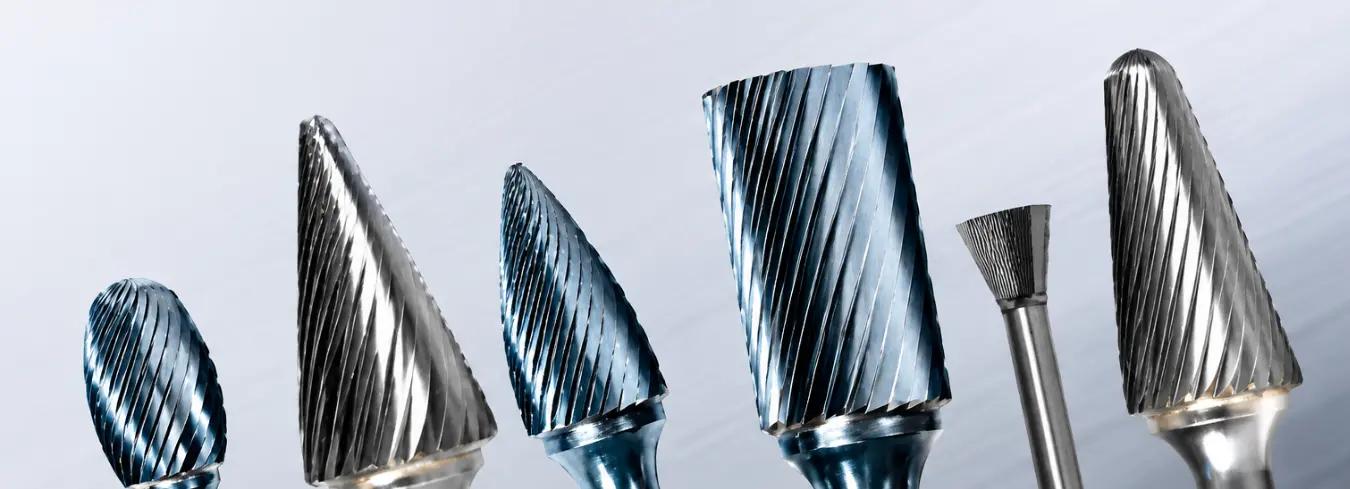
In high precision machining, tooling performance has a direct influence on productivity, quality, and operational efficiency. Whether machining carbon steel, stainless steel, cast iron, or high temperature alloys, the cutting insert is subjected to significant mechanical and thermal stresses throughout the operation. Under these demanding conditions, insert quality becomes a critical factor in maintaining process stability and achieving consistent machining results.
High quality carbide inserts tools are engineered to deliver superior wear resistance, reliable edge retention, and predictable performance, helping manufacturers optimize tool life while maintaining dimensional accuracy and surface finish requirements. As production environments continue to prioritize efficiency and precision, the role of premium carbide inserts has become increasingly important across a wide range of machining applications.
Understanding the Role of Carbide Inserts in Modern Machining
Carbide inserts are among the most widely used cutting components in today’s manufacturing industry. Used in turning, milling, grooving, threading, and parting operations, these replaceable cutting edges are designed to withstand the high temperatures and cutting forces generated during machining.
Unlike solid cutting tools, inserts allow manufacturers to replace only the worn cutting edge rather than the entire tool body. This not only reduces tooling costs but also improves operational flexibility.
However, while the concept of carbide inserts remains the same, their performance can vary significantly depending on the quality of the carbide grade, coating technology, manufacturing precision, and edge preparation.
This is where premium carbide inserts distinguish themselves from lower quality alternatives.
Why Insert Quality Matters More Than Purchase Price
One of the most common misconceptions in machining is that all carbide inserts perform similarly if their dimensions and geometry appear identical.
In reality, machining performance is influenced by factors that are not always visible to the naked eye.
The quality of the carbide substrate, coating adhesion, edge consistency, and manufacturing tolerances all contribute to how an insert performs under actual cutting conditions.
A lower priced insert may initially appear to offer better value. However, if it wears prematurely, produces inconsistent finishes, or requires more frequent replacement, the overall cost of machining can increase significantly.
For manufacturers focused on long term productivity, the true measure of value is not the cost of the insert itself but the cost per component produced.
Improved Tool Life and Wear Resistance
Tool life remains one of the most important performance indicators in machining operations.
Every insert change requires machine stoppage, operator intervention, tool offset verification, and process adjustment. While these interruptions may seem minor individually, they can collectively impact productivity over time.
High quality carbide inserts are designed with advanced carbide grades and optimized coatings that improve resistance to
- Flank wear
- Crater wear
- Thermal cracking
- Edge chipping
- Abrasive wear
This allows the insert to maintain cutting performance for longer periods, reducing the frequency of tool changes and helping manufacturers maximize machine utilization.
In high volume production environments, even small improvements in tool life can translate into significant operational savings.
Better Surface Finish and Dimensional Consistency
Achieving a high quality surface finish is not solely dependent on machine capability. Insert condition and cutting edge quality play an equally important role.
As inserts wear, surface quality often begins to deteriorate. This can result in:
- Rough finishes
- Tool marks
- Dimensional variation
- Additional finishing operations
Premium carbide inserts are manufactured with tighter tolerances and more consistent edge preparation, helping maintain cutting performance throughout the machining cycle.
The result is improved surface quality, greater dimensional consistency, and reduced variation between components.
For industries such as aerospace, automotive, oil and gas, and precision engineering, where quality standards are particularly demanding, this level of consistency is essential.
Improved Machining Stability
Modern manufacturing environments rely heavily on process stability.
Unplanned tool failure can disrupt production schedules, increase scrap rates, and negatively impact delivery timelines.
High quality carbide inserts contribute to stable machining conditions by providing predictable wear patterns and consistent cutting performance.
This allows manufacturers to:
- Maintain stable cutting parameters
- Reduce unexpected tool failures
- Improve production planning
- Increase confidence in unattended machining operations
For facilities utilizing CNC automation and lights out manufacturing strategies, process reliability is often just as important as cutting performance.
Reliable Performance at High Cutting Speeds
As manufacturers seek greater productivity, machining parameters continue to evolve.
Higher spindle speeds and feed rates can significantly improve output, but they also place greater demands on cutting tools.
Premium carbide inserts are specifically engineered to perform under these conditions. Advanced coatings and carbide grades help maintain edge integrity while minimizing heat-related wear.
Benefits include:
- Increased material removal rates
- Reduced cycle times
- Improved productivity
- Greater machining efficiency
The ability to operate reliably at higher cutting speeds allows manufacturers to achieve more output without compromising quality.
The Importance of Coating Technology
Coating technology has become one of the most significant advancements in cutting tool development.
Modern carbide inserts are available with specialized coatings designed to improve performance across different machining applications.
Depending on the material being machined, coatings can provide the following:
- Increased wear resistance
- Reduced friction
- Better heat management
- Improved chip flow
- Enhanced edge protection
The right coating can substantially improve insert longevity and cutting performance, particularly when machining difficult materials such as stainless steel, hardened steels, and heat resistant alloys.
Material Specific Performance
Different materials present unique machining challenges.
For example:
Material | Common Machining Challenge |
Carbon Steel | Balancing productivity and tool life |
Stainless Steel | Heat generation and work hardening |
Cast Iron | Abrasive wear |
Aluminium | Built up edge formation |
High Temperature Alloys | Extreme heat and tool wear |
High quality carbide inserts are often available in grades optimized for specific materials, allowing manufacturers to achieve better results across a broad range of applications.
Selecting the appropriate insert grade is therefore just as important as selecting a quality insert.
Reducing the Total Cost of Machining
While tooling costs represent only a portion of overall manufacturing expenses, they have a direct influence on productivity and profitability.
When evaluating insert performance, manufacturers should consider the following:
- Tool life
- Machine uptime
- Surface finish quality
- Scrap reduction
- Production consistency
- Cost per component
In many cases, premium carbide inserts deliver lower overall machining costs despite a higher initial purchase price.
Longer tool life, fewer interruptions, and improved process reliability often generate savings that far exceed the difference in tooling cost.
Choosing the Right Carbide Insert Supplier
Even the highest quality insert can underperform if the wrong grade or geometry is selected for the application.
This is why working with an experienced tooling supplier is important.
A knowledgeable supplier can assist with:
- Insert grade selection
- Coating recommendations
- Cutting parameter optimization
- Application specific guidance
- Technical support
Access to the right expertise helps manufacturers maximize insert performance while avoiding costly trial and error processes.
Conclusion
In machining, even the smallest tooling decisions can have a major impact on overall production performance. While carbide inserts represent only a fraction of total manufacturing costs, they directly influence cutting efficiency, part quality, machine uptime, and production consistency.
High quality carbide inserts are designed to deliver reliable performance under demanding machining conditions. From maintaining cutting edge integrity and achieving superior surface finishes to reducing tool changes and ensuring consistent results, they help manufacturers achieve greater efficiency across every stage of production.
For businesses looking to optimize machining performance and maintain competitive production standards, investing in premium carbide inserts is not simply a tooling decision. It is a strategic investment in quality, reliability, and long-term operational success.
FAQs
1. Why are high quality carbide inserts better than standard inserts?
High quality carbide inserts offer superior wear resistance, longer tool life, better heat management, and consistent cutting performance. They help improve machining accuracy, reduce downtime, and lower the overall cost per component compared to lower-quality alternatives.
2. How do carbide inserts improve machining efficiency?
Premium carbide inserts maintain a sharp cutting edge for longer, allowing higher cutting speeds, fewer tool changes, improved surface finishes, and reduced machine downtime. This leads to increased productivity and more efficient manufacturing processes.
3. Which materials can be machined using carbide inserts?
Carbide inserts are suitable for machining a wide range of materials, including carbon steel, stainless steel, cast iron, aluminum, hardened steel, and high-temperature alloys. Choosing the correct insert grade and coating for the material ensures optimal performance.
4. What should I consider when selecting carbide inserts for my application?
When selecting carbide inserts, consider the workpiece material, machining operation (turning, milling, grooving, or threading), cutting speed, feed rate, insert geometry, carbide grade, coating type, and the expertise of your tooling supplier to achieve the best machining results.