

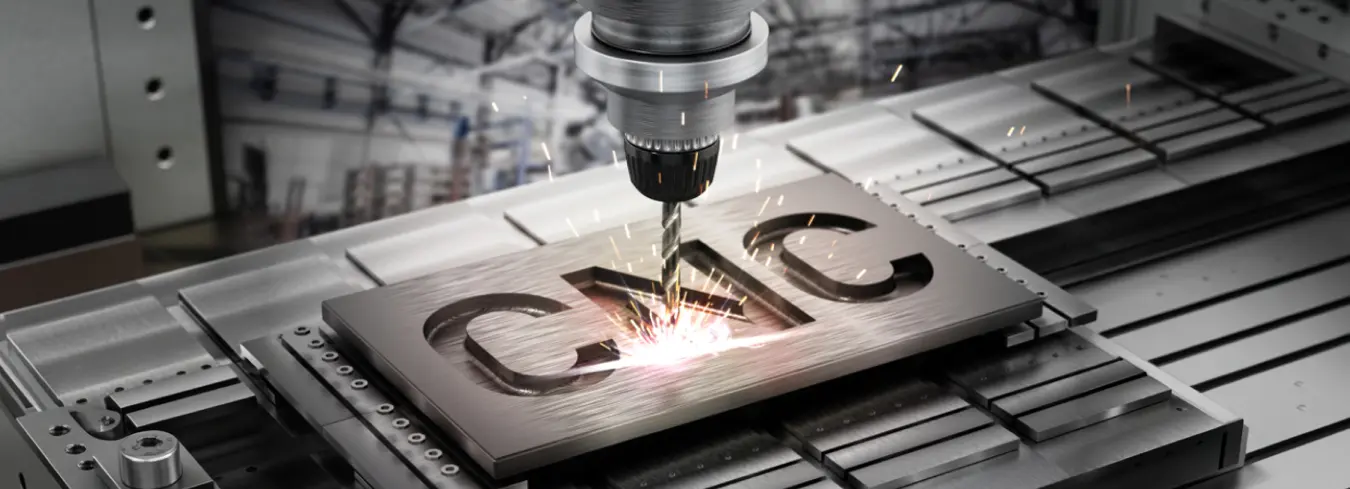
If you’re searching for CNC tools in the UAE, chances are you’re not browsing casually. You’re planning a purchase that directly affects precision, productivity, downtime, and profit. In the UAE’s competitive manufacturing and fabrication market, the wrong CNC tooling decision can lead to excessive tool wear, rejected parts, and missed delivery deadlines.
This guide is written for buyers, procurement heads, workshop owners, and industrial decision-makers who want clarity and not catalog fluff. You’ll learn what CNC tools actually matter for your application, how to evaluate quality, pricing, and suppliers in the UAE, and how to avoid the most expensive buying mistakes.
Understanding CNC Tools: What They Are and Why They Matter
CNC tools are the cutting, shaping, drilling, and finishing tools mounted on CNC machines to perform precise machining operations. While the CNC machine controls movement, tooling determines accuracy, surface finish, speed, and tool life.
In practical terms:
- The same CNC machine can produce vastly different results depending on the tooling quality
- Tool geometry, material, and coating directly affect heat, vibration, and dimensional tolerance
- Poor tooling decisions increase scrap rate and machine wear, which are hidden costs many buyers underestimate
Types of CNC Tools Used in UAE Manufacturing
Understanding tool categories helps narrow your buyinreg decision faster.
1. CNC Cutting Tools
Used for material removal across milling, turning, and drilling operations. Common examples include end mills, inserts, drills, and reamers.
2. CNC Milling Tools
Primarily used for surface machining, slots, contours, and complex geometries. Includes:
- End mills
- Face mills
- Ball nose cutters
3. CNC Turning Tools
Used on CNC lathes for cylindrical components. Includes:
- Turning inserts
- Boring bars
- Grooving tools
4. CNC Drilling and Hole-Making Tools
Designed for accurate holes and internal features:
- Twist drills
- Reamers
- Countersinks
5. Special-Purpose CNC Tools
Custom or application-specific tools for aerospace, automotive, oil and gas, and mold manufacturing.
Choosing CNC Tools Based on Material
Material Being Machined | Recommended Tool Material | Key Reason |
Aluminium | Carbide, polished coated tools | Heat dissipation and chip evacuation |
Mild steel | Carbide with TiAlN coating | Wear resistance |
Stainless steel | High-grade carbide | Heat and work-hardening resistance |
Titanium | Premium carbide or CBN | High temperature tolerance |
Plastics and composites | Sharp-edge HSS or carbide | Clean cuts and minimal melting |
Expert insight: Many UAE workshops overspend on premium tools when geometry selection alone could solve their machining issue.
Tool Material Explained: HSS vs Carbide vs Advanced Grades
Understanding tool composition prevents unnecessary cost escalation.
- HSS (High-Speed Steel)
- Affordable and flexible, suitable for low-volume or soft materials.
- Carbide Tools
- Industry standard for production environments. Longer life, higher speeds, and tighter tolerances.
- CBN and Ceramic Tools
- Used for hardened materials and high-precision industries. Expensive but essential in specific cases.
- Coatings, Geometry, and Tool Life
- Most buyers focus on brand names. Experienced buyers focus on geometry and coating.
Common CNC Tool Coatings
- TiN for general-purpose use
- TiAlN for high-temperature resistance
- AlTiN for dry machining
- Diamond-like coatings for non-ferrous materials
Correct coating selection can double tool life, especially in high-speed CNC operations common in UAE workshops.
How to Evaluate CNC Tools Before Buying
Before placing an order, assess tools using these criteria.
1. Application Fit
Not all universal tools are truly universal. Confirm compatibility with machine spindle speed, tool holders, and material hardness.
2. Dimensional Accuracy Requirements
If your tolerance is ±0.01 mm, low-grade tools won’t survive production.
3. Tool Availability and Replacement Speed
In the UAE, downtime costs more than tooling. Choose suppliers with local stock.
4. After-Sales and Technical Support
Reliable suppliers assist with cutting parameters, tool optimization, and failure analysis.
Where to Buy CNC Tools in the UAE
Buyers typically choose between:
- Local CNC tool suppliers with faster delivery and technical support
- Imported tooling for specialized applications
- Authorized distributors versus general traders
For production environments, local availability and service support usually outweigh marginal price differences.
CNC Tools Price Expectations in the UAE
While prices vary by brand and grade, here’s a realistic benchmark.
Tool Category | Typical Price Range (AED) |
Standard carbide end mills | 80 to 350 |
Turning inserts per piece | 40 to 150 |
Premium coated tools | 300 to 1,200 |
Special-purpose tools | Custom pricing |
Tip: The cheapest tool is rarely the most economical over its lifecycle.
Common CNC Tool Buying Mistakes
- Choosing tools based only on price
- Ignoring coating compatibility
- Over-specifying tools for simple jobs
- Buying without considering replacement availability
- Skipping supplier technical consultation
These mistakes are responsible for most tooling-related production failures.
Tool Maintenance and Longevity Best Practices
Even premium CNC tools fail early without proper handling:
- Use correct cutting parameters
- Avoid excessive feed rates
- Inspect tools regularly
- Store tools properly to prevent edge damage
Good maintenance practices can extend tool life by 30 to 50 percent.
Conclusion: How to Buy CNC Tools the Smart Way
Buying CNC tools in the UAE is not about collecting catalogs. It’s about matching tooling to application, material, and production goals. The right decision reduces downtime, improves accuracy, and protects your machine investment.
Practical next step:
Define your material, tolerance, and production volume first. Then evaluate tools and suppliers against those requirements, not the other way around.
FAQs:
What CNC tools are most commonly used in the UAE?
Carbide cutting tools, turning inserts, and milling cutters are widely used across fabrication, automotive, and oil and gas industries.
Is it better to buy CNC tools locally or import them?
For most businesses, local suppliers offer better uptime, faster replacements, and reliable technical support.
Are carbide tools worth the higher cost?
Yes, especially for production machining. Their longer life and stability offset the initial cost.
How do I know if a CNC tool is compatible with my machine?
Check spindle speed, holder type, material compatibility, and recommended cutting parameters.
Do CNC tool suppliers in the UAE offer technical support?
Reputable suppliers provide application guidance, tool selection help, and performance optimization.