

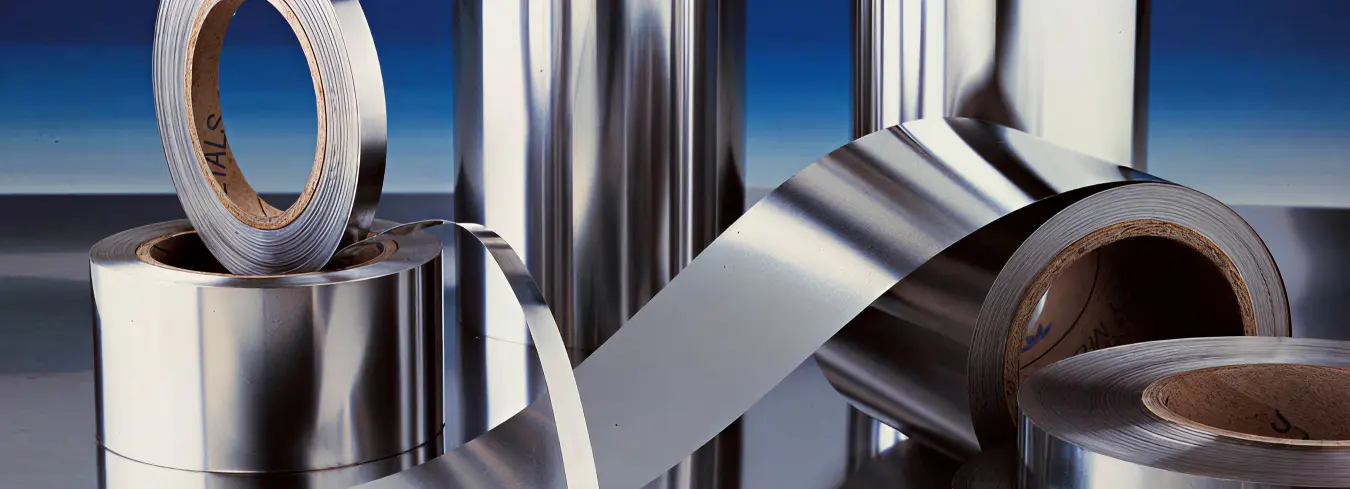
Direct Answer: Shim stock is thin sheet or strip, usually metal, that fills gaps and fine-tunes the fit or alignment of parts. Choose the material and thickness for the load and environment, and use a thicker shim plate where rigid support is needed.
A shim is a small part, but it decides whether a machine runs true.
If you have ever had to level uneven machinery or create an exact fit between components, you have probably met shims. They are the quiet parts that make things fit.
A shim plate is a thicker, stronger shim used where a gap or alignment problem needs a load-bearing, rigid support. In factory work, assembly lines and repairs, good shim stock helps tools run accurately and parts last longer.
This guide explains the materials, forms, applications and correct use of shims, and how to choose a reliable shim stock supplier.
What Is Shim Stock?
Shim stock is a very thin material, such as metal, plastic or composite, that comes in sheets, rolls or pre-cut shapes. Workers cut and insert just the right amount to make components align, level or seat properly.
Common Shim Materials
- Stainless steel: very common, and it resists rust and corrosion. It suits outdoor, damp or harsh chemical environments.
- Aluminium: lightweight and easy to work with.
- Brass, bronze and copper: used where electrical or thermal conductivity matters, or where a non-magnetic shim is needed.
- Plastic or composite: suited to light-load applications and lower in cost.
Shim Types and Forms
- Flat shims: basic sheets used to adjust height or fill gaps.
- Slotted and ring shims: have slots or holes, so you can slip them around bolts or shafts without fully taking parts apart.
- Pre-cut and pre-formed shapes: available in standard shapes, which saves cutting time.
- Shim plates: thicker, stronger shims used under machine feet and wherever maximum rigidity is needed.
Thickness, Tolerance and Specification
- Shim stock comes in very fine thicknesses, in some materials thinner than 0.05 mm. Shim plates go up to several millimetres, depending on the material and application.
- Tolerance shows how much the thickness can differ from the stated size. The smaller the variation, the better the alignment and accuracy, while a large variation can cause misalignment, vibration or extra stress.
- For heavy machinery, thicker shim plates with an exact thickness give better alignment and strength.
With the basics clear, the next step is choosing the right shim for your job.
Choosing the Right Material, Thickness and Form
Work through these five points to match a shim to the job:
- Know the load and environment: think about where and how the shim will be used. Heavy weight or a small gap decides which material can do the job without damage.
- Select the material: choose stainless steel where moisture or chemicals can cause rust, and copper or brass where the shim must carry electricity or heat. For extra load, choose steel or a thicker shim plate.
- Pick the thickness: measure the gap with feeler gauges or a micrometer. Choose a shim thick enough to fill the space, but not so thin that it bends or loses its shape under pressure.
- Choose the form: flat shims suit simple set-ups, and shim plates suit jobs that need extra strength. Slotted or ring shims suit parts you cannot fully remove.
- Check supplier reliability: choose a supplier who provides quality certificates, accurate thickness and consistent material. For heavy-duty parts, look for thick plates with precise cutting or machining.
Not sure which shim material or thickness you need?
Tell us the load, environment and gap size, and we will help you choose a suitable shim.
Common Industrial Applications
Shims appear wherever parts must line up or sit at an exact height:
- Machine alignment: levelling and aligning motors, pumps, gearboxes and compressors on their bases, so that shafts line up and vibration is reduced.
- Bearing and gear set-up: adjusting the clearances and positions of bearings, gears and housings.
- Tooling and fixtures: setting up cutting tools, dies, jigs and presses to an exact height.
- Maintenance and repair: making up for wear on worn parts and restoring fits.
- Assembly: fine adjustment between mating components on production lines.
Shim Plates in Steel Structures
In steel construction, shim plates are placed under base plates and between steel members. They level the members, fill small gaps and set the correct height before the connection is tightened or grouted.
They must be strong enough for the load they carry and sized to the contact area. The thickness and number of plates should follow the structure’s design and the engineer’s specification.
Step-by-Step Shim Installation
Follow these steps for a clean, stable shim fit:
- Measure the gap with feeler gauges, a micrometer or a caliper at several points.
- Choose the material and thickness, as set out above.
- Cut the shim to size with shears, snips or another suitable method, and remove burrs.
- Clean both surfaces so that dirt or debris does not affect the fit.
- Insert the shim and tighten the bolts gradually and evenly, so it does not shift or tilt.
- Recheck the alignment after assembly and again after the machine has run under load.
For precision cutting, shears and snips work for simple shapes, while laser cutting or waterjet suits custom ones. Stack shims carefully, because too many thin shims in a stack can cause instability or vibration.
Why Proper Shimming Pays Off
- Longer machine life: shimming guards against uneven weight distribution, vibration and misalignment, so machines run more smoothly and last longer.
- Faster set-up: good shim stock makes setting up or adjusting machines quicker and easier.
- Precision and consistency: correct shimming keeps parts fitting properly, which keeps product quality consistent on production lines.
- Less wear and tear: bearings, shafts and fasteners experience less stress when everything stays aligned.
- Cost savings: fewer mistakes, less rework and reduced downtime save money over time.
What to Check Before Buying From a Shim Supplier
Four checks help you avoid the wrong material or thickness:
- Verify the material certifications, such as the grade of steel or metal, corrosion resistance and tensile strength.
- Check that the supplier stocks the thickness ranges and forms you need, such as rolls, sheets, plates, pre-cut and slotted shims.
- Ask whether sample pieces are available, so you can test them under real load, environment and temperature.
- Look for suppliers who offer precision cutting, such as laser or waterjet, if you need custom shapes.
Shim stock is a simple component, but it makes a big difference in industrial set-up and maintenance. Tell your supplier the material, thickness and size you need, and check what certificates come with the shim stock.
Where to Buy Shims in Dubai and the UAE
Al Rizq supplies shim stock in Dubai and across the UAE, including Lyon Industries shim stock. Materials include stainless steel, brass, bronze, copper and aluminium.
Send us the material, thickness and size you need for a quote within 24 hours.
Need shim stock in Dubai or the UAE?
See our shim stocks and music wire range, then send us the material, thickness and size for a quote within 24 hours.
Frequently Asked Questions
What is shim stock?
Shim stock is thin sheet or strip, usually metal, used to fill gaps, make fine adjustments or align parts. It comes in sheets, rolls and pre-cut shapes.
What is shim stock used for?
It is used to align and level machinery, set bearing and gear clearances, adjust tooling height, compensate for wear and fine-tune assemblies.
What is a shim plate?
A shim plate is a thicker, stronger shim used where a gap or alignment problem needs load-bearing, rigid support. It is common under machine feet and base plates.
How do you use shim stock?
Measure the gap, choose the material and thickness, cut the shim to size and clean both surfaces. Insert it, tighten the bolts gradually and recheck the alignment.
What thickness of shim stock do I need?
Measure the gap at several points with feeler gauges or a micrometer. Choose a shim thick enough to fill it, but not so thin that it bends under pressure.
Which shim material suits damp or corrosive environments?
Stainless steel resists rust and corrosion, so it suits damp, outdoor and harsh chemical environments.