

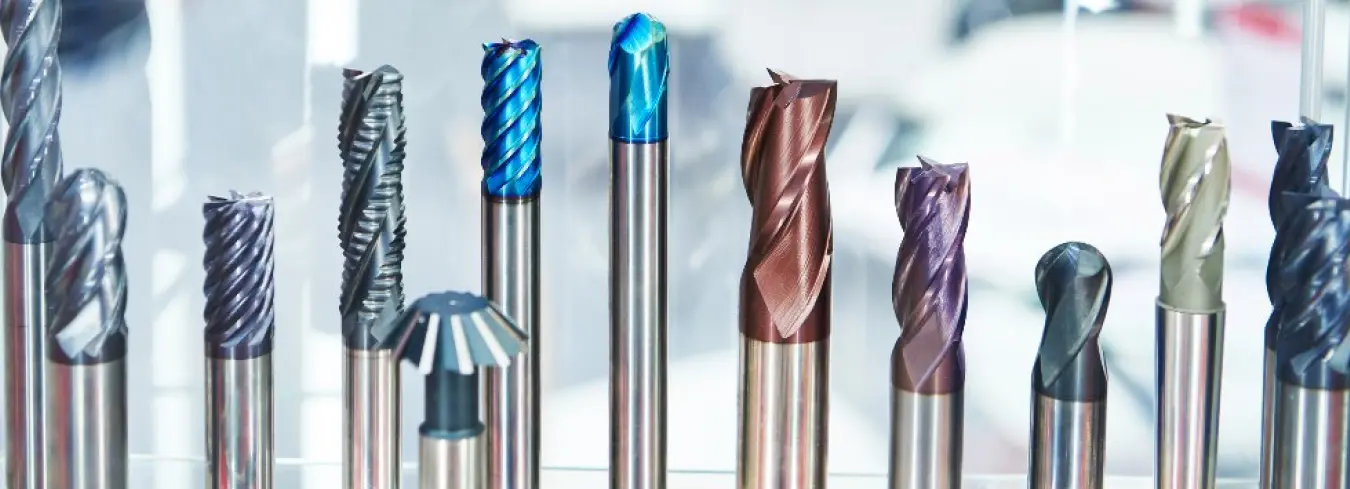
Cutting tools are essential for many industries, from manufacturing and construction to woodworking and metalworking. They help shape, drill, and cut materials with precision. However, like any tool, cutting tools have a lifespan, and using worn-out tools can lead to poor results, increased costs, and even safety risks.
So, how do you know it’s time to replace your cutting tools? Here are 5 clear signs to watch out for:
1. Reduced Cutting Performance
When your cutting tools are new, they work smoothly and efficiently, producing clean and precise cuts. Over time, you might notice:
- Slower cutting speeds: The tool takes longer to finish a job.
- Rough edges: Cuts that used to be sharp and clean start looking jagged or uneven.
- Increased resistance: You feel more effort is needed to make the same cut.
If you’re experiencing any of these issues, it’s a sign that the tool’s cutting edge is dull or worn out. Replacing the tool ensures you maintain precision and efficiency in your work.
2. Poor Surface Finish on Materials
A good cutting tool should leave a smooth and polished surface on the material you’re working with. However, when the tool starts to wear out, you might notice:
- Scratches or grooves: The surface looks rough instead of smooth.
- Burn marks: Heat builds up due to the tool’s inefficiency, leaving scorch marks on the material.
- Chipping: Small fragments or chips break off during cutting, damaging the material.
A poor surface finish not only affects the appearance of your product but also its quality and functionality. If you see these signs, it’s time for a replacement.
3. Increased Wear on Machinery
Using a worn-out cutting tool doesn’t just affect your materials—it can also damage the machinery itself. You might notice:
- Unusual vibrations or noise: A dull tool puts extra strain on the machine, causing it to shake or make loud noises.
- Overheating: The machine works harder than usual, generating excessive heat.
- Frequent breakdowns: Components of the machine may wear out faster due to increased stress.
Replacing worn cutting tools can prevent costly repairs and extend the lifespan of your equipment.
4. Frequent Tool Breakages
If your cutting tools are breaking more often than usual, it’s a clear sign that they’ve reached the end of their life. Common reasons for tool breakage include:
- Material fatigue: Over time, the tool’s material becomes weaker and more prone to cracking.
- Incorrect use: Pushing a worn-out tool beyond its limits can cause it to snap.
- Old coatings: Protective layers on the tool may have worn off, reducing durability.
Using a broken or damaged tool can be dangerous, so it’s important to replace it immediately when this happens.
5. Increased Costs and Downtime
Keeping an eye on your costs can tell you a lot about the health of your cutting tools. Worn tools often lead to:
- Higher energy consumption: Machines work harder when tools are dull, using more electricity or fuel.
- More rejected parts: Poor-quality cuts mean you have to redo or scrap parts, wasting materials.
- Longer production times: Slow and inefficient tools delay your projects, increasing labor costs.
If you notice these issues, replacing your cutting tools can save you money and time in the long run.
Why Timely Replacement Matters
Ignoring the signs of worn cutting tools can lead to bigger problems, including:
- Lower product quality: Rough cuts and poor finishes can affect the final product’s performance and appearance.
- Machine damage: Overworking your machinery can lead to expensive repairs or replacements.
- Safety hazards: Dull or damaged tools are more likely to cause accidents, putting you and your team at risk.
By replacing your cutting tools when needed, you ensure better results, a safer workspace, and smoother operations.
How to Extend the Life of Your Cutting Tools
While replacement is inevitable, you can make your cutting tools last longer by following these tips:
- Use the right tool for the job: Make sure the tool is designed for the material you’re working with.
- Follow proper maintenance practices: Clean and store tools properly to prevent wear and rust.
- Monitor tool performance regularly: Check for signs of wear and replace tools before they fail.
- Invest in high-quality tools: Quality tools may cost more upfront but last longer and perform better.
Conclusion
Cutting tools are the backbone of precision work, and knowing when to replace them is key to maintaining efficiency, quality, and safety. If you notice reduced performance, poor finishes, increased machinery wear, frequent breakages, or rising costs, it’s time to invest in new tools. By doing so, you’ll save time, money, and resources while keeping your operations running smoothly.
Keep your tools in top condition, and they’ll reward you with reliable, high-quality performance for years to come!